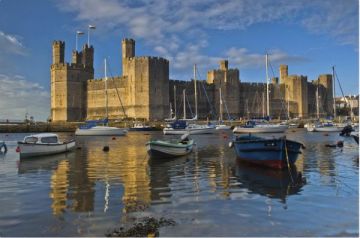
Historic Houses in Scotland
Abbotsford House - Traquair House
Many Scottish historic houses are named 'castles'. The term castle may refer to a defensive structure that was adapted for domestic purposes by later generations. The historic houses in this section are a mixture of those that started as castles and those built only for domestic purposes. They are, on the whole, occupied today or habitable. If you can't find a favorite place here, try looking under Ruined Castles, Towerhouses and Palaces. It is best to check opening times with the local TIC or the establishment itself before visiting, as visiting times can change without notice. If you'd like to stay in a Scottish castle, see our Castle Hotels in Scotland page.
Map of all Historic Houses in Scotland
| Name | County | Organisation | Heritage Rating |
|---|---|---|---|
| Abbotsford House | Borders | Historic Houses Association |  |
| Alloa Tower | Central Scotland | National Trust for Scotland | |
| Argyll's Lodging | Central Scotland | Historic Scotland | |
| Arniston House | Lothian | Historic Houses Association | |
| Ayton Castle | Borders | Historic Houses Association |  |
| Balcaskie House | Fife | |
|
| Ballindalloch Castle | Grampian | Historic Houses Association | |
| Balmoral Castle | Grampian |  |
|
| Biel House | Lothian | |
|
| Blair Castle | Tayside | Historic Houses Association | |
| Bowhill | Borders | Historic Houses Association | |
| Brechin Castle | Tayside | |
|
| Brodick Castle | Strathclyde | National Trust for Scotland | |
| Broughton House | Dumfries and Galloway | National Trust for Scotland | |
| Cairness House | Grampian | |
|
| Callendar House | Central Scotland | |
|
| Castle Fraser | Grampian | National Trust for Scotland | |
| Castle Menzies | Tayside | |
|
| Corehouse | Strathclyde | Historic Houses Association | |
| Craigdarroch | Dumfries and Galloway | |
|
| Craigston Castle | Grampian | |
|
| Crathes Castle | Grampian | National Trust for Scotland | |
| Culzean Castle | Strathclyde | National Trust for Scotland | |
| Dalmeny House | Lothian | Historic Houses Association | |
| Doune of Rothiemurchus | Highlands and Islands | Historic Houses Association | |
| Drum Castle | Grampian | National Trust for Scotland | |
| Drumlanrig Castle | Dumfries and Galloway | Historic Houses Association | |
| Dumfries House | Strathclyde | |
|
| Dunfermline Abbey and Palace | Fife | Historic Scotland | |
| Dunninald | Tayside | Historic Houses Association | |
| Dunrobin Castle | Highlands and Islands | Historic Houses Association | |
| Falkland Palace | Fife | National Trust for Scotland | |
| Fasque | Grampian | |
|
| Ferniehirst Castle | Borders | |
|
| Finlaystone House & Garden | Strathclyde | Historic Houses Association | |
| Floors Castle | Borders | Historic Houses Association | |
| Georgian House | Lothian | National Trust for Scotland | |
| Glamis Castle | Tayside | Historic Houses Association | |
| Gosford House | Lothian | Historic Houses Association | |
| Haddo House | Grampian | National Trust for Scotland | |
| Hill House | Strathclyde | National Trust for Scotland | |
| Hill of Tarvit Mansion | Fife | National Trust for Scotland | |
| Holmwood House | Strathclyde | National Trust for Scotland | |
| Hopetoun House | Lothian | Historic Houses Association | |
| House of Dun | Tayside | National Trust for Scotland | |
| House of the Binns | Lothian | National Trust for Scotland | |
| Inveraray Castle | Strathclyde | Historic Houses Association | |
| Kelburn Castle | Strathclyde | Historic Houses Association | |
| Lauriston Castle | Lothian | |
|
| Leith Hall | Grampian | National Trust for Scotland | |
| Lennoxlove | Lothian | Historic Houses Association | |
| Manderston House | Borders | Historic Houses Association | |
| Mellerstain House | Borders | Historic Houses Association | |
| Monzie Castle | Tayside | Historic Houses Association | |
| Mount Stuart | Strathclyde | Historic Houses Association | |
| Newhailes | Lothian | National Trust for Scotland | |
| Newliston | Lothian | Historic Houses Association | |
| Palace of Holyroodhouse | Lothian | |
|
| Paxton House | Borders | Historic Houses Association | |
| Pollok House | Strathclyde | National Trust for Scotland | |
| Rammerscales | Dumfries and Galloway | Historic Houses Association | |
| Scone Palace | Tayside | Historic Houses Association | |
| Skaill House | Highlands and Islands | |
|
| Sorn Castle | Strathclyde | |
|
| Stobhall | Tayside | |
|
| Thirlestane Castle | Borders | Historic Houses Association | |
| Traquair House | Borders | Historic Houses Association | |
| Name | County | Organisation | Heritage Rating |