Glamorgan Castles Guide
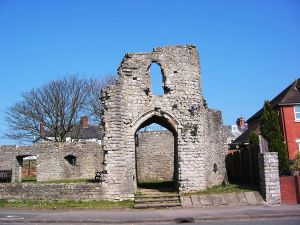
Bits of a gate and wall are all that remain of this 13th-century fortified manor, seat of the de Barry family. Barry Castle originally boasted earthwork defences, later augmented by the addition of stone buildings, including a great hall and a gatehouse defended by a drawbridge and portcullis.
Park Road, Barry, Glamorgan, Wales, CF62 6NW
Heritage Rating:  ?
?
Nearest Self Catering Cottages
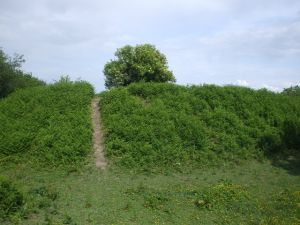
Caerau Castle is a Norman ringwork castle within an older Iron Age hillfort (as at Caer Penrhos).
Church Road, Caerau, Cardiff, Glamorgan, Wales
Heritage Rating: ?
Nearest Self Catering Cottages

Caerphilly, covering 30 acres (12.2ha), is one of the greatest surviving castles in the medieval Western world. It was a highpoint in medieval defensive architecture with its massive gatehouses and water features, and is the first true example of a concentric castle in Britain. Caerphilly was built by the powerful Earl Gilbert de Clare, beginning in 1268. So successful was de Clare's design that it was used as a model for Edward I's castles in North Wales.
Caerphilly, Glamorgan, Wales, CF83 1JD
Heritage Rating:  ?
?
Heritage Highlight: The first true concentric castle in Britain, a medieval architectural gem
Nearest Self Catering Cottages
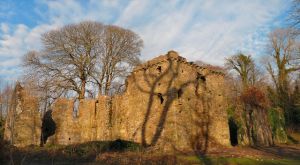
More fortified manor than castle, Candleston Castle was built in the late 14th century on the site of an earlier wooden fortification. A ruined wall surrounds a small courtyard, about which are ranged a hall block and tower, with the later additions of a south wing.
Merthyr Mawr, Bridgend, Glamorgan, Wales
Heritage Rating: ?
Nearest Self Catering Cottages

Cardiff Castle is a Victorian extravaganza built by the wealthy third Marquess of Bute on medieval foundations within a Norman wall. The Marquess enlisted William Burges as his architect and built the castle with every conceivable decoration possible in its interior. The castle is located in the city centre within the site used by both the Romans and the Normans for defensive purposes.
Castle Street, Cardiff, Glamorgan, Wales, CF10 3RB
Heritage Rating: ?
Nearest Self Catering Cottages
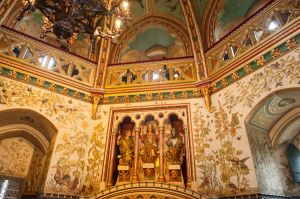
Castell Coch is a Victorian fantasy castle built by William Burges for the Marquess of Bute. The result is outstanding 19th-century architecture and design with rich decorations that are a feast for the eye. There is more to Castle Coch that a Victorian vision of Gothic romance, however, for Bute's fantasy is built on the foundations of a legitimate medieval fortress.
Tongwynlais, Cardiff, Glamorgan, Wales, CF15 7JS
Heritage Rating: ?
Nearest Self Catering Cottages

Payn de Turberville erected a rudimentary ringwork castle and wooden palisade here in the very early 12th century, possibly on the remains of an earlier Welsh fortress. His ancestor Sir Gilbert de Turberville replaced the earlier castle with a stone structure in the 1180s, including a curtain wall surrounding a stone keep.
Coity, Bridgend, Glamorgan, Wales
Heritage Rating:  ?
?
Nearest Self Catering Cottages
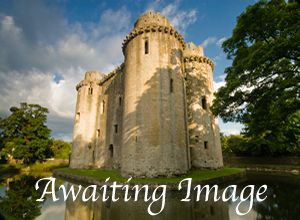
There are remains of earthwork fortifications at Dinas Powys dating as far back as the Iron Age. A bank and ditch were erected in the post-Roman period, and a more extensive bank was shored up with stone in the 11th century to create a defensible position for a timber and earth fortress. Still more earthworks were added in the 12th or 13th century.
Dinas Powys, Glamorgan, Wales
Heritage Rating: ?
Nearest Self Catering Cottages
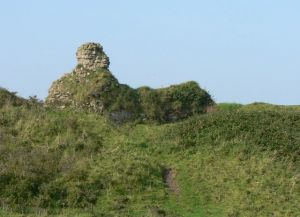
Rubble footings in sand are all that remain of a 12th century castle with a curtain, hall, and keep. The first castle at Kenfig was built around 1140 as a wooden structure on top of a high mound, surrounded by a moat. The town of Kenfig stood beside the castle, and was itself defended by an outer moat and bailey.
Mawdlam, Gower, Glamorgan, Wales
Heritage Rating: ?
Nearest Self Catering Cottages
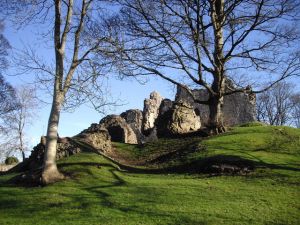
Llanblethian Castle is a ruined rectangular castle built around 1102 on a steep-sided spur of rock overlooking the River Thaw. The castle enclosure measures some 64 metres long and 30-40 metres wide. The first fortification was probably the work of Herbert de St Quintin, and consisted of little more than an earthwork bank and ditch with a timber palisade.
Llanblethian, Cowbridge, Gower, Glamorgan, Wales
Heritage Rating: ?
Nearest Self Catering Cottages