|
Historic Hotel Accommodation in Canterbury, Kent Part of the Kent Travel Guide on Britain Express, highlighting attractions, heritage, and tourism information. |
||||
| |
|
Canterbury Travel and Heritage Information Sun HotelA Historic Hotel in Canterbury, Kent7-8 Sun Street Canterbury Kent England CT1 2HX
Accommodation
Description:
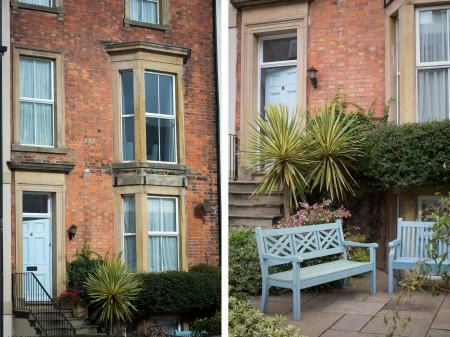
From: £165.00 A 15th century Tudor building, formally known as 'Little Inn' and made famous by Charles Dickens. The building was transformed into this stylish hotel in 2006 and is just 20 minutes from Dover and the Channel Tunnel. We offer a warm welcome with modern comforts, combining traditional architecture with comtemporary design Extensively refurbished in 2006, today the hotel offers a warm welcome with modern comforts, combining traditional architecture with contemporary design. A 15th century Tudor building brought back to life after being vacant for 40 years. Formally known as 'Little Inn' and made famous by Charles Dickens, it was transformed into this stylish hotel in 2006 It is just 20 minutes from Dover and the Channel Tunnel. Bedrooms are stylishly furnished, most with a beautiful four-poster bed. Enjoy lunch, light bites and the renowned cream teas, served daily in the licensed tea rooms in the famous Sun Street Located just a few steps from Canterbury Cathedral in a cobbled street, this 15th century hotel is steeped in history, with former guests including Charles Dickens. Canterbury lies on the River Stour, and along with the towns of Whitstable and Herne Bay is in the local government district of the City of Canterbury. Originally a Celtic settlement, it was renamed Durovernum Cantiacorum by the Roman conquerors in the first century AD After the Kingdom of Kent's conversion to Christianity in 597, St Augustine founded an episcopal see in the city and became the first Archbishop of Canterbury, a position that now heads the Church of England and the worldwide Anglican Communion. Thomas Becket's murder at Canterbury Cathedral in 1170 led to the cathedral becoming a place of pilgrimage for Christians worldwide. This pilgrimage provided the theme for Geoffery Chaucer's 14th-century literary classic the Canterbury Tales The literary heritage continued with the birth of the playwright Christopher Marlowe in the city in the 16th century. Accommodation Rating:
Room Facilities Amenities Parking Business Facilities Dining Facilities Meals Child Facilities Pet Policy Map
is based on address information supplied by the property and should be used only as a guide.
View on: Great
for holiday planning
Heritage Rated from 1- 5 (low-exceptional) on historic interest
Nearest Attractions Christ Church Gateway -
0 miles (Historic Building) Canterbury Roman Museum -
0.1 miles (Museum) Canterbury, St Alphege church -
0.1 miles (Historic Building) St George's Tower -
0.1 miles (Historic Building) 8 Palace Street -
0.1 miles (Historic Building) Canterbury, St Peter's church -
0.1 miles (Historic Church) Canterbury Tales -
0.1 miles (Museum) Canterbury Royal Museum & Art Gallery -
0.1 miles (Museum) Eastbridge Hospital of St Thomas -
0.1 miles (Abbey) Blackfriars -
0.1 miles (Historic Building) Nearby Towns & Villages to Visit Canterbury -
0.9 miles away Fordwich -
2.3 miles away Chilham -
5.7 miles away Whitstable -
6.1 miles away Godmersham -
7.1 miles away Wye -
9.2 miles away Barfreston -
10.4 miles away Lyminge -
11.2 miles away
+ Heritage
Rating +?
Heritage Rated from 1- 5 (low to exceptional) on historic interest We've 'tagged' this accommodation to help you find related historic attractions and learn more about major time periods mentioned in the description. More about these Historic Time Periods:RomanTudor Find attractions tagged with:Roman (Time Period) - Tudor (Time Period) - Celtic (Architecture) - 16th century (Time Period) - 15th century (Time Period) - 14th century (Time Period) -Directions: UK Hotels |
HISTORY CORNERName the Historic attractionBritish Heritage AwardsCelebrate the best of British Heritage in our annual British History QuizThis Day in British History13 February, 1689 William and Mary jointly crowned monarchs of England Only the previous day Parliament declared a Declaration of Rights, making James II's constitutional reforms illegal Monarch MayhemThis monarch dissolved all the monasteries in his realm as part of a split from the Catholic church in Rome |
||||||||||