Northumberland Abbeys and Monasteries Gazetteer
- Map of Abbeys and Monasteries in Northumberland
- Map of ALL Abbeys and Monasteries in England
- Map of all attractions in Northumberland
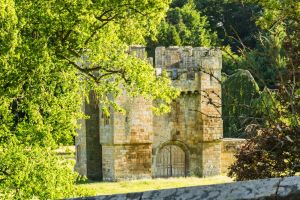
This impressive two-storey stone gatehouse is all that remains of Alnwick Abbey, a 12th-century abbey of Premonstratensian monks, founded by Eustace Fitz-John. The gatehouse itself was built in the 14th century by the De Vescy family, whose coat of arms can be seen over the barrel-vaulted arch through the gatehouse.
Hulne Park, Alnwick, Northumberland, England
Heritage Rating:  ?
?
Nearest Self Catering Cottages
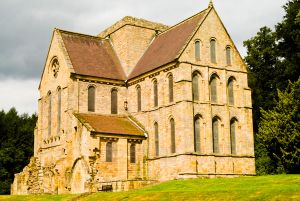
English Heritage calls this site the "finest example of early Gothic architecture in Northumberland". Located in a heavily wooded valley beside the River Coquet, the priory dates to the 12th century. The church is almost completely intact, and some of the monastic buildings now form part of an Elizabethan manor house.
Longframlington, Morpeth, Northumberland, England, NE65 8AR
Heritage Rating:  ?
?
Heritage Highlight: Superb Transitional Gothic architecture in the priory church
Nearest Self Catering Cottages
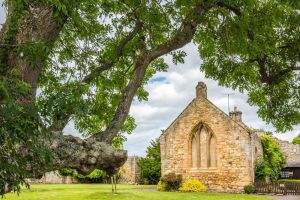
Hulne Priory was founded in 1240 by Carmelite monks, making it perhaps the first Carmelite priory in England. The priory was destroyed during the Dissolution of the Monasteries by Henry VIII, but considerable parts of the monastic buildings remain intact. Among the remains are scattered 18th-century sculptures of monks praying.
Hulne Park, Alnwick, Northumberland, England
Heritage Rating: ?
Nearest Self Catering Cottages
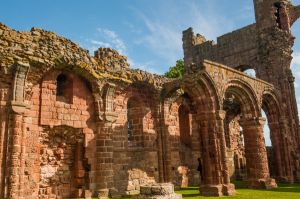
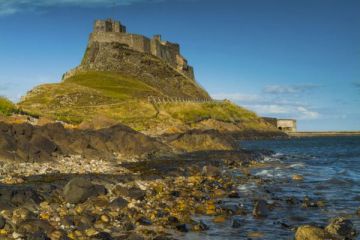
This historic priory was one of the first outposts of Christianity in England, founded by St. Aidan in the 7th century. The exquisite Lindisfarne Gospels, illuminated here in the early 8th century, are now in the British Library.
Holy Island, Northumberland, England, TD15 2RX
Heritage Rating:  ?
?
Heritage Highlight: The highlight is simply the rich history of Lindisfarne, dating back to St Aidan.
Nearest Self Catering Cottages