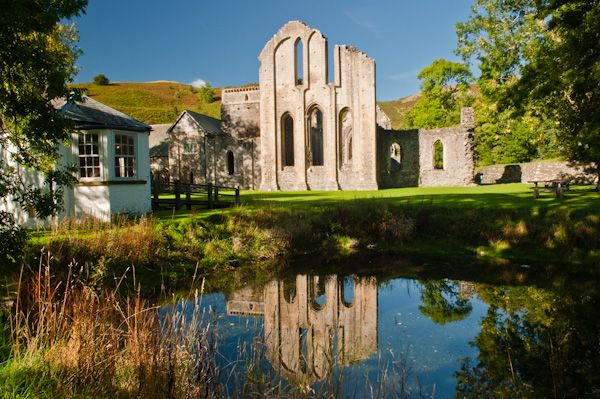
A short stroll from the peaceful abbey ruins is Eliseg's Pillar, a carved cross dating to the early 9th century. To the east of the town is Thomas Telford's majestic aqueduct at Pontcysyllte, which carries the Shropshire Union Canal high above the valley floor.
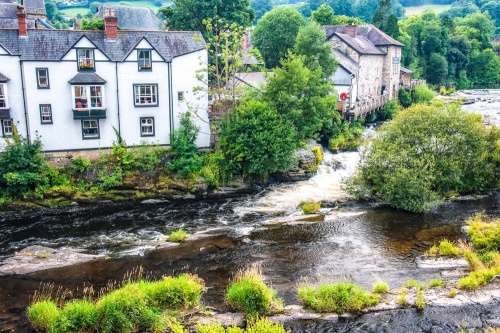
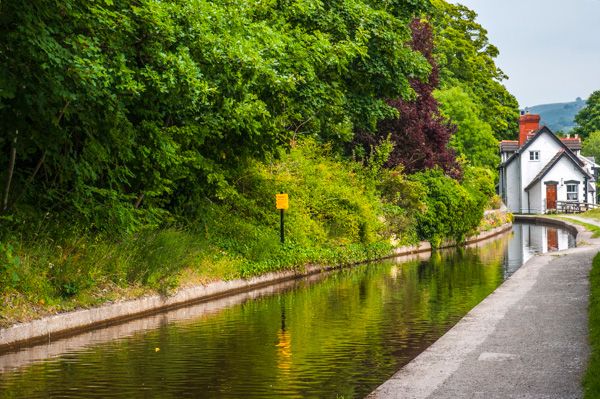
You can take a canal boat cruise along the canal, or enjoy a horse-drawn boat trip from the dock just across Llangollen bridge, which was built in 1345 on the site of an ancient ford. The bridge was rebuilt in 1656 and widened in 1862 to make room for a new railway line to pass through its arches.
The bridge itself was famously labelled one of the Seven Wonders of Wales. Stroll across the bridge from the town centre and you come to the Llangollen Heritage Railway, where you can take regular trips on historic railroad carriages along the Dee valley.

A short distance west from Llangollen brings you to the attractive beauty spot of Horseshoe Falls, a curving semi-circular weir where the canal joins the River Dee.
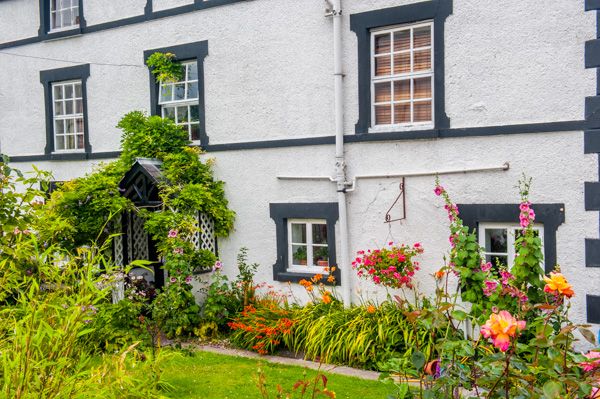
At the southeastern edge of the town is Plas Newydd, where the famed Ladies of Llangollen lived. Sarah Ponsonby and Lady Eleanor Butler escaped from unhappy family life in Ireland and set up house together here, and became celebrated as the embodiment of romantic friendship, a sort of intellectual retreat from the pressures of society life. Here they welcomed literary giants like Wordsworth and Southee, Sir Walter Scott and the like.
The Ladies are buried at St Collen's Church, founded by the 6th-century Irish saint, whose tomb once stood where the west tower now rises.
On the eastern outskirts of town is a permanent auditorium and performance area for the annual International Musical Eisteddfod, founded by Harold Tudor in 1947 as a celebration of music and peaceful understanding among nations.
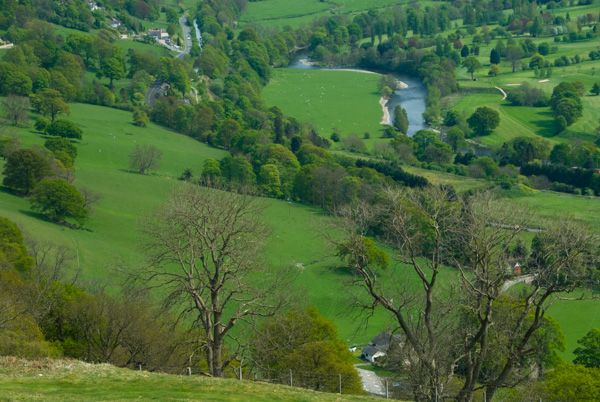
There's a lot to see and do in the Llangollen area; this is just a taster. The region is fabulously scenic, the sort of place you can find yourself coming back to again and again, and staying a bit longer each time!
My top tip:
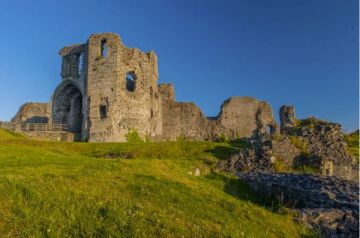
Take the footpath from the north end of the bridge over the canal and follow the trail as it winds back and forth to the ruined castle of Dinas Bran. The views are superb at any time, but come as the sun is setting in the west and prepare to be exhilarated!


dedicated to St Collen

 We've 'tagged' this attraction information to help you find related historic attractions and learn more about major time periods mentioned.