Castles in Wales - Mid Wales & Brecon Beacons
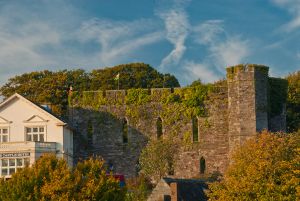
A Norman motte and bailey castle was begun near this spot by Bernard de Neufmarche about 1093. The remains of the Norman motte can still be seen in the garden of the Brecon Bishop's Palace, with the remnants of a 13th-century stone keep. Contemporary with the keep was the great hall.
Castle Street, Brecon, Brecon Beacons, Powys, Wales
Heritage Rating:  ?
?
Nearest Self Catering Cottages

Bronllys Castle is a mid-12th century stone keep perched atop an earlier motte overlooking the River Llynfi. Remains of the surrounding baileys are scant, and there is no remaining trace of any buildings within the walls apart from the round keep, which still towers 80 feet above the motte.
Bronllys, Powys, Wales
Heritage Rating:  ?
?
Nearest Self Catering Cottages

Builth Castle was one Edward I's first castles in Wales. It was begun about 1277 on the site of an earlier motte. The castle stands on a high bluff on the eastern edge of the town. Little remains today beyond the outline of earth-covered walls, but in its time Builth ranked with Harlech and Caernarfon as one of Edward's most impressive fortifications in Wales.
Castle Road, Builth Wells, Powys, Wales
Heritage Rating: ?
Nearest Self Catering Cottages
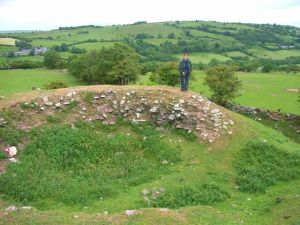
Camlais Castle is a Norman motte and bailey castle dating to the 12th century. The castle was later abandoned and the site of the motte used for a 14th-century manor house.
Sennybridge, Powys, Wales
Heritage Rating: ?
Nearest Self Catering Cottages

Traces of earthwork is all that remains of this castle with the turbulent past so typical of many Welsh castles. Carreghoffa Castle was built about 1101 by Robert de Bellesme, but captured the following year by Henry I. Henry II extended the fortifications, and installed an English garrison.
Llanyblodwel, Powys, Wales
Heritage Rating: ?
Nearest Self Catering Cottages

Castell Blaen Llynfi is the scant late Norman ruins of a large bailey and ditch and a rubble curtain wall. The castle (also known as Blaenllynfi) was built sometime between 1208-1215, and was rebuilt in the middle of the 14th century.
Bwlch, Powys, Wales
Heritage Rating:  ?
?
Nearest Self Catering Cottages

A simple translation of the Welsh name of this castle tells a lot about it. Crug Eryr translates as "The Eagle's Crag", a good description of this dramatic hilltop above the Edw valley. The name may relate to Llywelyn Crug Eryr, a well known herald bard, who may have resided here. The castle itself is a very rudimentary earthwork motte and bailey.
Llanfihangel-nant-Melan, Powys, Wales
Heritage Rating: ?
Nearest Self Catering Cottages
Castell Du is a native Welsh castle built around 1260. The castle consists of ruinous walls and the fragmentary remains of a mural tower. A perimeter wall encloses an area about 26 metres on one side. In the wall is a projecting tower in the D-shape favoured by Welsh military architects.
Castle Road, Sennybridge, Powys, Wales
Heritage Rating: ?
Nearest Self Catering Cottages

Castell y Blaidd is not a castle in the traditional sense, but a ringwork defensive enclosure of Norman vintage, open at one end like a horseshoe. There are no verifiable remains of construction within the defences, which sit on a high elevation near a pass through the hills.
Llanbadarn Fynydd, Powys, Wales
Heritage Rating: ?
Nearest Self Catering Cottages
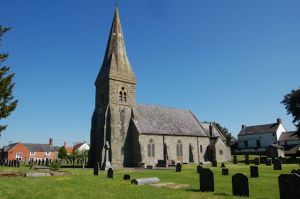
This motte and bailey castle gives its name to the village of Castle Caereinion. The castle was begun in 1156 by Madog ap Maredudd, prince of Powys. Madog's nephew, Owain Cyfeiliog, allied himself with the Normans, and as a result the castle was seized by Lord Rhys and Owain Gwynedd in 1166.
Castle Caereinion, Powys, Wales
Heritage Rating: ?
Nearest Self Catering Cottages