Medieval Monasteries in Gwent
- Map of Abbeys and Monasteries in Gwent
- Map of ALL Abbeys and Monasteries in Wales
- Map of all attractions in Gwent
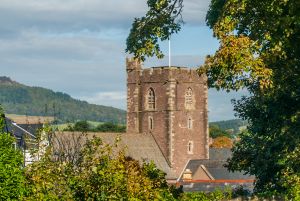
Abergavenny Priory has been described as 'The Westminster Abbey of Wales', a testament to its long history and historical importance. The Priory was founded in 1087 as part of a Benedictine monastery beside the Norman castle that dominated Abergavenny town.
Monk Street, Abergavenny, Gwent, Wales, NP7 5ND
Heritage Rating:  ?
?
Nearest Self Catering Cottages
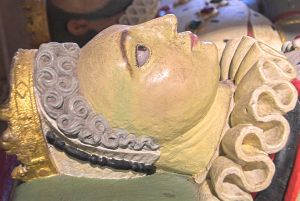
Chepstow Priory is a small Benedictine monastery, founded by the Norman lord of Chepstow at the same time as the nearby castle. The monastic church survived the Dissolution of the Monastery because the nave was used as the parish church of Chepstow. The Norman nave survives, and the finely decorated 12th-century doorway is not to be missed.
Priory Church of St Mary, Upper Church Street, Chepstow, Gwent, Wales, NP16 5HU
Heritage Rating:  ?
?
Heritage Highlight: Finely carved Norman west doorway
Nearest Self Catering Cottages
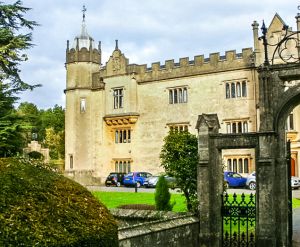
Llantarnam Abbey is a Cistercian house founded in 1179 as a daughter house of Strata Florida. The remains of that abbey are incorporated into the present buildings housing the Sisters of Saint Joseph. The fine barn, boasting 11 bays, is one of the finest medieval remnants.
Llantarnam, Cwmbran, Gwent, Wales, NP44 3YJ
Heritage Rating: ?
Nearest Self Catering Cottages

This ancient monastic ruin stands in one of the most isolated and beautiful locations of any medieval monastery in Britain, in the magnificent scenery of the Vale of Ewyas, on the edge of the Black Mountains.
Llanthony, Abergavenny, Gwent, Wales, NP7 7NN
Heritage Rating: ?
Heritage Highlight: 13th century North nave arcade
Nearest Self Catering Cottages

The very first Cistercian house in Wales, founded around 1131. Tintern is superbly situated in a valley bounded by hills which are resplendant in bluebells and other wildflowers in the spring. The original church dates to 1150, though it was rebuilt in grand fashion in the late 13th century. At the time of the Dissolution, Tintern was the richest monastic establishment in all of Wales.
Tintern, Chepstow, Gwent, Wales, NP16 6SE
Heritage Rating:  ?
?
Nearest Self Catering Cottages
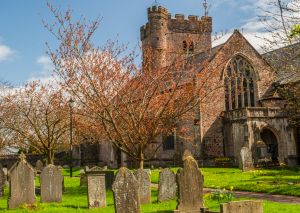
A small Benedictine nunnery dedicated to St Mary. Usk became a destination for pilgrims drawn to the shrine of St Radegund. Of the medieval priory buildings the Norman central tower remains, and below it is the chancel of the parish church. The nave and north aisle are 14th century, and there is a 15th century traceried screen and porches. Only the gatehouse remains of the domestic priory buildings.
Church Street, Usk, Gwent, Wales, NP15 1BX
Heritage Rating: ?
Nearest Self Catering Cottages