Historic Towns and Villages in Lincolnshire
- Map of Towns and Villages in Lincolnshire
- Map of ALL Towns and Villages in England
- Map of all attractions in Lincolnshire
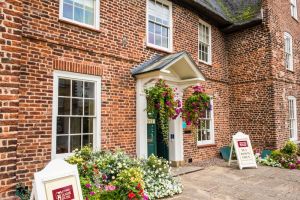
One of the most attractive market towns in Lincolnshire, Alford lies at the edge of the Lincolnshire Wolds. On the outskirts of Alford is a unique five-sailed windmill, which dates to 1839. It is one of only a few working windmills in the county, and visitors can buy fresh ground grains.
Alford, Lincolnshire, England
Heritage Rating:  ?
?
Heritage Highlight: The 17th century manor may be the largest thatched house in Britain
Nearest Self Catering Cottages

Alkborough is located at the junction of three rivers; the Ouse, Humber, and Trent. A treasure trove for heritage hunters, the village features an 11th-century Norman church in addition to a Roman camp. The camp is named the Countess Close, after Countess Lucy, wife of the Norman Lord Ivo Tailbois.
Alkborough, Lincolnshire, England
Heritage Rating: ?
Nearest Self Catering Cottages
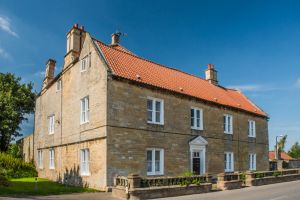
The village of Ancaster sits astride the old Roman road of Ermine Street. it is most famous for a horde of Roman coins found here in the ruins of a Roman camp. The coins and other finds from excavations are in the Grantham Museum.
Ancaster, Lincolnshire, England
Heritage Rating: ?
Heritage Highlight: Remains of a Roman fort and cemetery
Nearest Self Catering Cottages
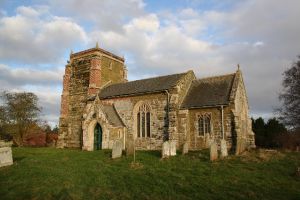
A small village with a big name, Ashby Puerorum owes its unusual moniker to a 13th-century Bishop of Lincoln, Oliver Sutton, who renamed the village when he decreed that all profits from the living here should go to support the choirboys of Lincoln Cathedral. The name 'Ashby Puerorum' translates loosely as 'the little boys' Ashby'. The connection is remembered over seven centuries later, for the choir still occasionally sings at St Andrew's Church.
Ashby Puerorum, Lincolnshire, England
Heritage Rating:  ?
?
Nearest Self Catering Cottages
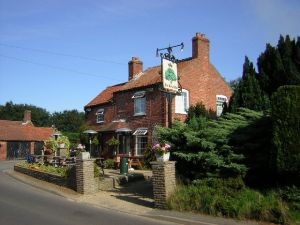
Sometimes mistakenly spelled 'Auborn', this small village seven miles south of Lincoln is home to the 17th-century manor house of Aubourn Hall. The hall, surrounded by small gardens, was built by architect Robert Smythson for Sir John Meres.
Aubourn, Lincolnshire, England
Heritage Rating: ?
Heritage Highlight: 17th century Aubourn Hall
Nearest Self Catering Cottages
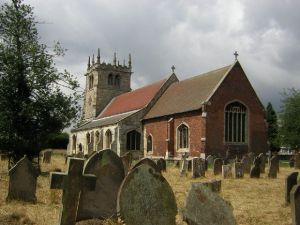
The name of Bardney village gives a clue to its past. The 'ey' ending means 'island', an indication that the area on the bank of the River Witham was once marshland, and the village site little more than an island in the marsh. Bardney was the site of a 7th-century abbey established under King Ethelred (not the 'unready' king of the same name).
Bardney, Lincolnshire, England
Heritage Rating: ?
Nearest Self Catering Cottages
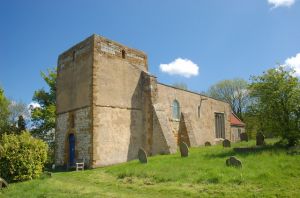
Otherwise known simply as Barnetby, this busy village has a history at least as old as the Domesday Book of 1086. Nearby is the abandoned church of St Mary, which may date to the Saxon period. St Mary's is now in the care of the Churches Conservation Trust.
Barnetby le Wold, Lincolnshire, England
Heritage Rating: ?
Nearest Self Catering Cottages
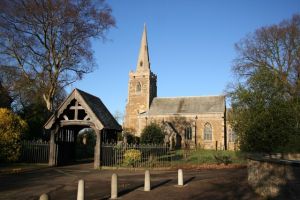
A small village close to the Lincolnshire border with Leicestershire and Northamptonshire, Barrowby was mentioned in the Domesday Book, but its roots go back much further. The name comes from the Norse Bergebei, for a hill, and the Danish ending 'by' suggests that there was a Danish settlement here.
Barrowby, Lincolnshire, England
Heritage Rating: ?
Heritage Highlight: 14th-century All Saints church, incorporating Saxon carvings
Nearest Self Catering Cottages

An attractive market town on the banks of the Humber River in northern Lincolnshire, at the southern end of the Humber Bridge. Barton boasts an exceptional range of historic buildings, a testament to the long history of the town, which dates back well into the Saxon period. Numerous Saxon finds have been unearthed in the area.
Barton upon Humber, Lincolnshire, England
Heritage Rating:  ?
?
Heritage Highlight: St Peter's Saxon church
Nearest Self Catering Cottages
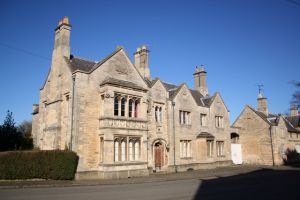
Located just on the outskirts of Grantham, Belton is home to Belton House, a beautiful 17th-century Restoration mansion owned by the National Trust. The village itself was built by the owners of Belton House to provide accommodation for estate workers and features some exceptional period buildings, most contained in a Conservation Area to preserve the historic character of the village.
Belton, Lincolnshire, England
Heritage Rating: ?
Heritage Highlight: 17th-century Belton House
Nearest Self Catering Cottages