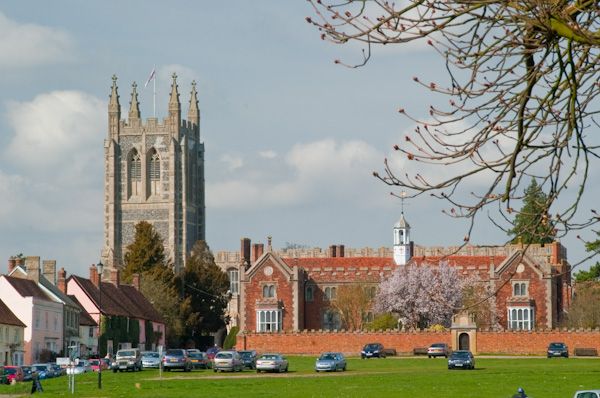
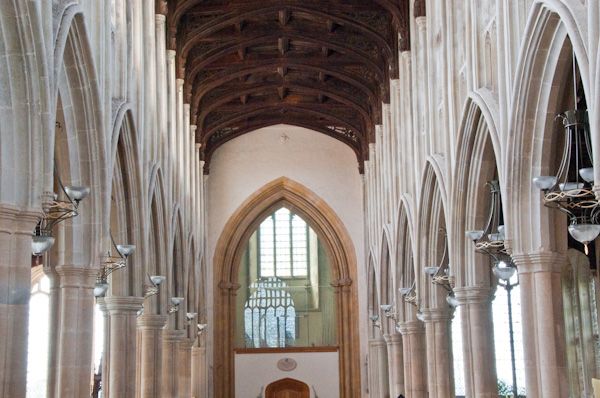
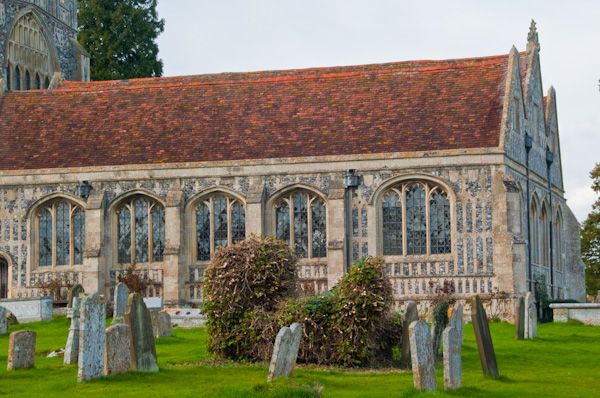
The village of Long Melford, Suffolk, is strongly bound to the name and fortunes of the Clopton and Cordell families. The Cloptons became rich in the wool trade that flourished in this area in the late medieval and early Tudor period, and their rise in fortune is reflected in the glorious church of Holy Trinity that they helped fund. Holy Trinity is the longest parish church in Suffolk, stretching to nearly 250 feet in length.
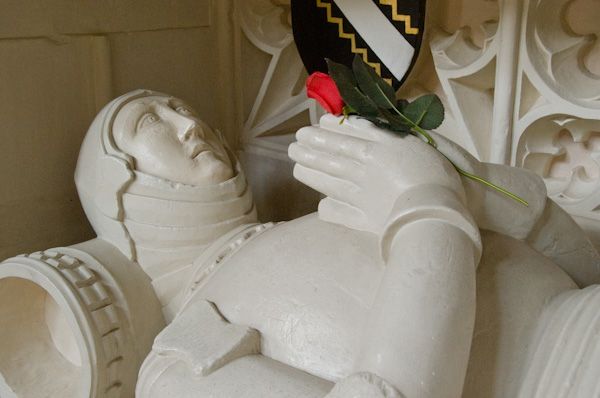
The bulk of the church dates from the period 1467-1497, and the style is decidedly Perpendicular. Inside Holy Trinity is the Clopton chantry chapel, while the resplendent Lady Chapel, almost a church in itself, extends at the East end. Considerable stained glass remains from the late 15th century.

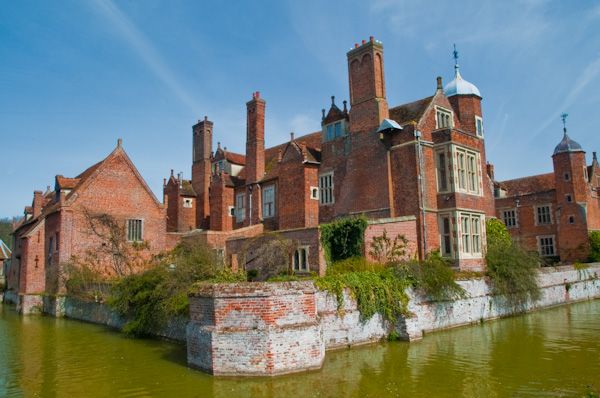
But the wonders of Holy Trinity are not all that Long Melford has to offer visitors, for the Cloptons needed a place to live as well as worship! Kentwell Hall, in Long Melford, was built by John Clopton and is one of the best examples in Britain of a Tudor manor house. Kentwell hosts regular "living history" recreations of Tudor life.
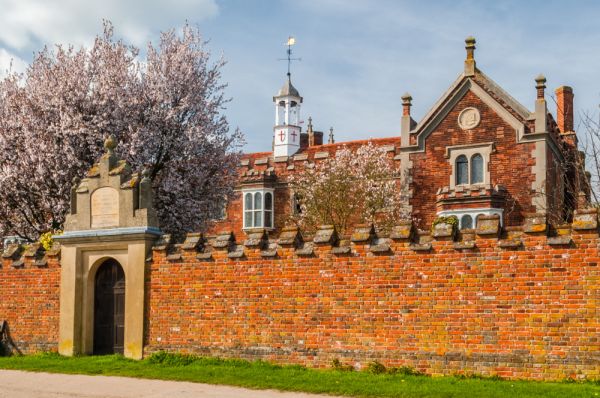
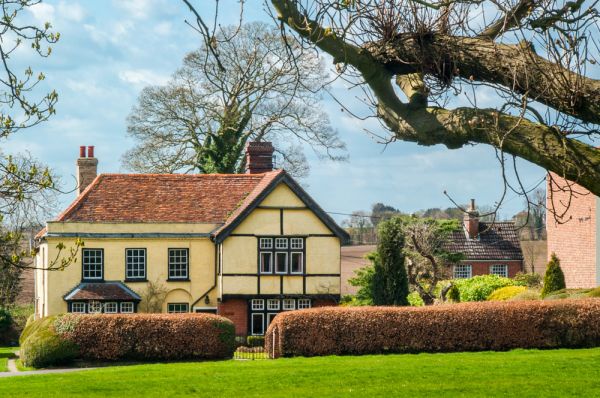
As for the village itself, it rose to prominence with the burgeoning wool trade in the late medieval period, and this rich legacy is remembered in the variety of timbered domestic buildings that still exist, though many buildings were given an exterior facelift in the Georgian and Regency periods, while the interiors show their Tudor or earlier structure.

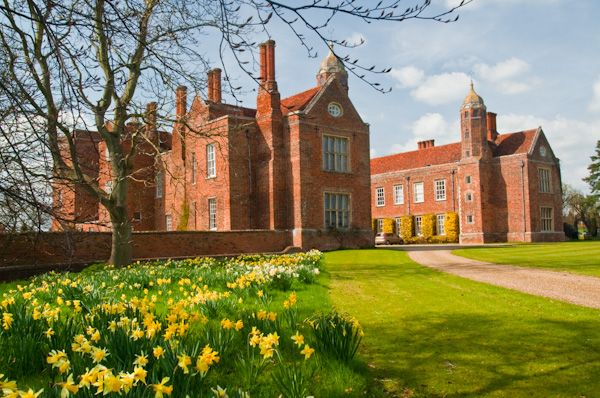
Long Melford was used as a setting for the popular television series "Lovejoy", as the number of antique shops and art galleries lining the village main street attest. Melford Hall was used as the home of Lady Jane in the series.
The Hall was originally owned by the Abbot of St Edmunds but passed to the Cordell family following the Dissolution of the Monasteries. It has been the residence of the Hyde Parker family since 1768, though it is now owned by the National Trust. The Manor of Melford owned the whole village in Tudor times, and today owns the "Great Green" and the grass verges down the main street.
Long Melford's main street has many identities as it stretches through this elongated village; the street, at various points named Hall Street, Little St Mary's, and Rodbridge Hill, among other names, gives some clue as to why the village name has the prefix "Long"!
More Photos

About Long Melford
Address: Long Melford, East Anglia, Suffolk, England
Attraction Type: Village
Location: On the B1064 (just off the A134) between Bury St Edmunds and Sudbury
Website: Long Melford
Location map
OS: TL865455
Photo Credit: David Ross and Britain Express
HERITAGE
 We've 'tagged' this attraction information to help you find related historic attractions
and learn more about major time periods mentioned.
We've 'tagged' this attraction information to help you find related historic attractions
and learn more about major time periods mentioned.
Historic Time Periods:
Find other attractions tagged with:
15th century (Time Period) - Georgian (Time Period) - Henry VIII (Person) - Medieval (Time Period) - Perpendicular (Architecture) - Regency (Architecture) - Tudor (Time Period)
NEARBY HISTORIC ATTRACTIONS
Heritage Rated from 1- 5 (low to exceptional) on historic interest
Melford Hall - 0.5 miles (Historic House) 
Long Melford, Holy Trinity Church - 0.7 miles (Historic Church)
Kentwell Hall - 1.5 miles (Historic House)
Chilton, St Mary's Church - 2.5 miles (Historic Church)
Sudbury, St Gregory's Church - 2.5 miles (Historic Church) 
Sudbury, St Peter's Church - 2.7 miles (Historic Church)
Gainsborough's House - 2.7 miles (Historic Building)
Sudbury, All Saints Church - 2.8 miles (Historic Church)
Nearest Holiday Cottages to Long Melford:
Great Waldingfield, Suffolk
Sleeps: 8
Stay from:£880 - £2,313
Wickham St Paul, Essex
Sleeps: 4
Stay from:£413 - £1,265