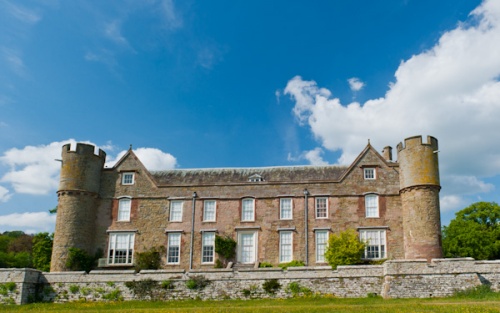
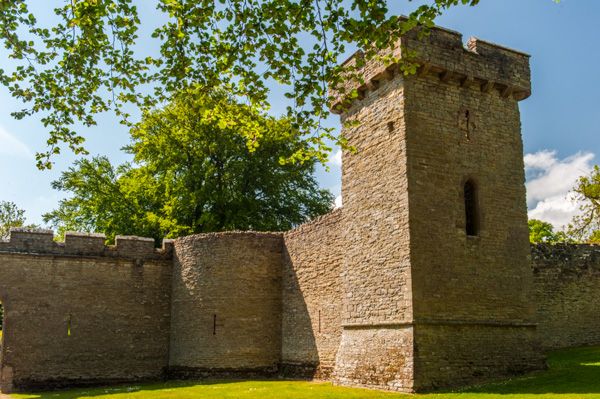
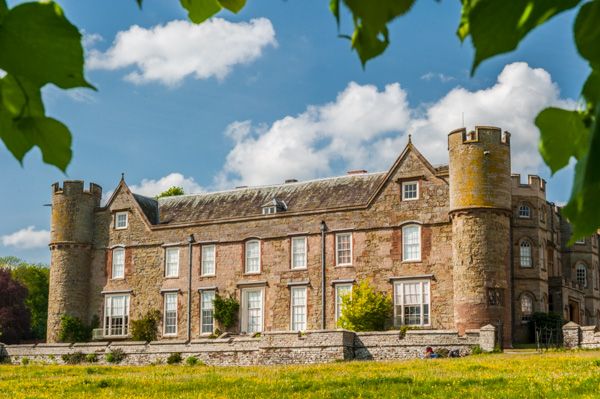
Croft Castle is a lovely late 16th or early 17th-century stately home built on the remains of a 14th-century medieval castle. The medieval fortress was destroyed by Parliamentary troops in 1645, but the rectangular Jacobean house survived.
History
The Croft family may have occupied this site before the Norman Conquest of 1066. The family was forced to sell the castle in 1746 to Richard Knight, a successful ironmaster of Coalbrookdale.
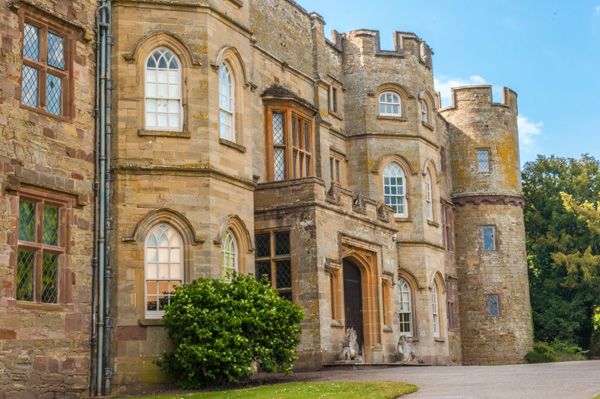
In the 1760s Richard Knight's son-in-law, Thomas Johnes, decided to transform the 17th-century house in the fashionable Strawberry Hill Gothick style. The result is a stunning mix of faux Gothick and original Jacobean, around a medieval core.
Perhaps the highlight is the Gothick Staircase, a candyfloss creation, all curves and cream-coloured panels.

The interior features Jacobean panelling and some 16th-century doors and timber roof beams, with portraits of generations of Crofts, one by Gainsborough.
There was an extensive remodelling of the castle during the 18th century, and the north-west range was largely rebuilt at that time. The castle stands two storeys high and is constructed of stone and bricks mixed, with corner turrets looking down on an inner courtyard.
In 1923 the Croft family repurchased the property, and Crofts continue to live here today, though the house is now owned by the National Trust.
Gardens and Grounds
The castle is set in pleasant parkland, featuring over 300 'veteran' trees and an avenue of Spanish chestnut trees. (A veteran tree is defined by English Nature as ‘a tree which, because of its great age, size or condition is of exceptional value culturally, in the landscape or for wildlife’).

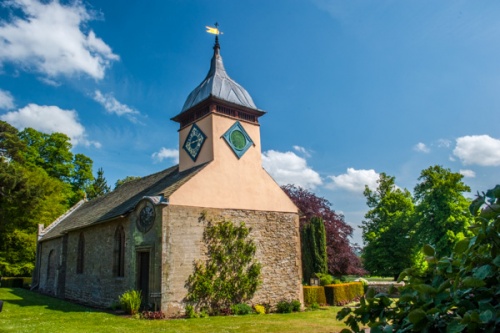
There is a vineyard and walled gardens beside the house and immediately beside the house is the 14th-century church of St Michael and All Angels, with fabulous Croft family tombs.
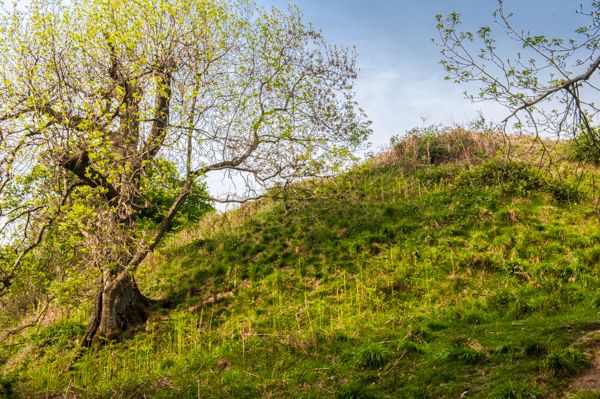
Trails lead up to an Iron Age hillfort atop Croft Ambrey, from where you can get superb views over the Welsh Marches. If the day is clear it is said that you can see 14 counties from the top. I can highly recommend this walk; the remains of the hillfort are striking, and the views are wonderful.
More Photos


About Croft Castle
Address: nr Leominster, Yarpole, Herefordshire, England, HR6 9PW
Attraction Type: Historic House
Location: Parkland open all year, castle open seasonally. See the National Trust website for current details. For satnavs use the postcode HR6 0BL.
Website: Croft Castle
Email: croftcastle@nationaltrust.org.uk
National Trust
Location map
OS: SO449655
Photo Credit: David Ross and Britain Express
POPULAR POSTS
HERITAGE
 We've 'tagged' this attraction information to help you find related historic attractions
and learn more about major time periods mentioned.
We've 'tagged' this attraction information to help you find related historic attractions
and learn more about major time periods mentioned.
Historic Time Periods:
Find other attractions tagged with:
14th century (Time Period) - 16th century (Time Period) - 17th century (Time Period) - 18th century (Time Period) - castle (Architecture) - Iron Age (Architecture) - Jacobean () - Medieval (Time Period) - Norman (Architecture) - Parliamentary (Historical Reference)
NEARBY HISTORIC ATTRACTIONS
Heritage Rated from 1- 5 (low to exceptional) on historic interest
Croft Castle Church - 0.1 miles (Historic Church) 
Yarpole, St Leonards Church - 1.3 miles (Historic Church) 
Mortimers Cross Water Mill - 1.8 miles (Historic Building) 
Kingsland, St Michael & All Angels Church - 2.6 miles (Historic Church)
Orleton, St George's Church - 2.9 miles (Historic Church)
Eye, St Peter & St Paul Church - 3.1 miles (Historic Church)
Wigmore, St James Church - 3.2 miles (Historic Church)
Shobdon, St John Church - 3.4 miles (Historic Church) 
Nearest Holiday Cottages to Croft Castle:
Mortimers Cross, Herefordshire
Sleeps: 2
Stay from:£292 - £909